Tools Online
Add a review FollowOverview
-
Founded Date October 6, 1933
-
Sectors Investment Advisors
-
Posted Jobs 0
-
Viewed 21

Company Description
9 Lessons Your Parents Teach You About Powertools
The Comprehensive Guide to Power Tools: Understanding Their Types, Uses, and Maintenance
Power Tool Supplies tools are essential in the contemporary workshop, allowing jobs that would otherwise be tiresome and lengthy when performed with hand tools. Ranging from fundamental drills to complex woodworking machines, power tools provide effectiveness and accuracy that can considerably alter the method specialists and enthusiasts approach their projects. This article checks out the various kinds of power tools, their applications, maintenance suggestions, and often asked concerns.

Kinds Of Power Tools
Power tools are typically categorized into 2 primary groups: cordless and corded. Each type has its advantages and perfect usages.
1. Cordless Power Tools
Cordless tools operate on rechargeable batteries, supplying higher movement and ease of use. Some typical types consist of:
- Cordless Drill/Driver: Essential for drilling holes and driving screws, a cordless drill is a must-have in any toolbox.
- Cordless Circular Saw: Ideal for cutting lumber and other materials, especially when mobility is required.
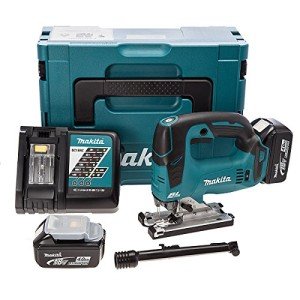
- Cordless Jigsaw: Useful for making detailed cuts and curves in numerous materials.
- Cordless Impact Driver: Perfect for driving long screws and fasteners into tough materials quickly.
2. Corded Power Tools
While corded tools may be less portable, they generally offer more power and are typically used for heavier-duty jobs. Key examples consist of:
- Table Saw: A stationary tool that provides precision cutting for woodworking jobs.
- Miter Saw: Used for making precise crosscuts and miters in a workpiece.
- Angle Grinder: Useful for cutting or grinding metal and concrete.
- Drill Press: A fixed drill that permits accomplishing greater accuracy in drilling holes.
Comparison Table of Cordless and Corded Power Tools
| Function | Cordless Power Tools | Corded Power Tools |
|---|---|---|
| Mobility | High | Limited by power cable |
| Power | Less effective | More effective |
| Weight | Lighter due to absence of cord | Much heavier due to motor and cord |
| Battery Life | Minimal by battery life | Continuous power supply |
| Expense | Typically more expensive | Usually more cost effective |
Applications of Power Tools
Power tools are used across various industries and activities. Understanding the right tool for the task can improve effectiveness and results. Some common applications consist of:
- Construction Projects: Drills, saws, and nailers dominate task websites for framing and Powertools roofing.
- Woodworking: Routers, sanders, and jointers assist in developing complex and refined wooden pieces.
- Automotive Repair: Impact wrenches and air compressors are essential for dealing with lorries.
- Home Improvement: DIY lovers make use of various tools for restorations, repair work, and landscaping tasks.
Popular Power Tools and Their Uses
Here are some often utilized power tools along with their main applications:
-
Power Drill:
- Used for drilling holes and fastening screws.
- Is available in different sizes for various applications.
-
Reciprocating Saw:
- Ideal for demolition work and cutting through materials like wood, metal, and drywall.
-
Sander:
- Used for smoothing surfaces, offered in numerous types such as orbital and belt sanders.
-
Router:
- Employed in woodworking for burrowing an area in a piece of wood.
-
Nail Gun:
- A quick and effective tool for driving nails into wood and other products.
Upkeep Tips for Power Tools
Keeping power tools in ideal condition is important for security and performance. Here are some upkeep suggestions:
-
Regular Cleaning: Dust and debris can collect in Buy Power Tools tools. Regular cleansing assists keep efficiency and extends Online Tool Store life.
-
Check Connections and Cords: Regularly look for fraying or damage to cables and connections. Change any damaged parts instantly to prevent accidents.
-
Hone Blades and Bits: Dull blades can decrease performance and precision. Routine honing makes sure tidy cuts and faster operation.
-
Lubrication: Certain tools require routine lubrication. Speak with the user manual for particular suggestions.
-
Storage: Store tools in a dry environment and in their cases if readily available. This safeguards them from moisture and accidental damage.
Frequently Asked Questions (FAQs)
1. What security gear should be used when using power tools?
- It is necessary to use appropriate security equipment such as security glasses, hearing security, gloves, and a dust mask depending upon the Tool Shop in use.
2. How do I select the right power tool for a task?
- Consider the particular tasks you need to achieve, the material you’ll be dealing with, and the tool’s power capability. Investigating tools suited for those jobs will assist in making the right choice.
3. Are cordless tools as great as corded tools?
- Cordless tools provide convenience and portability, while corded tools offer more power for much heavier tasks. Pick based upon your particular needs.
4. How often should power tools be preserved?
- Regular upkeep must be performed routinely, preferably after every usage. Comprehensive assessments and servicing should be done at least when a year.
5. What is the lifespan of a normal power tool?
- The life-span of power tools differs widely depending on usage and quality however generally ranges from 5 to 15 years.
Power Tools Deals are valuable assets for both professionals and DIY enthusiasts, using performance and accuracy unlike any hand tool. Understanding the various types, applications, and maintenance procedures is essential for optimizing their possible and guaranteeing safety. With correct care and understanding, these tools can serve users effectively for several years, eventually boosting productivity and project results. By buying quality tools and sticking to maintenance rituals, one can make the most out of every job, regardless of size or complexity.